
Modern Gaming Infrastructure: Core Components for Providers
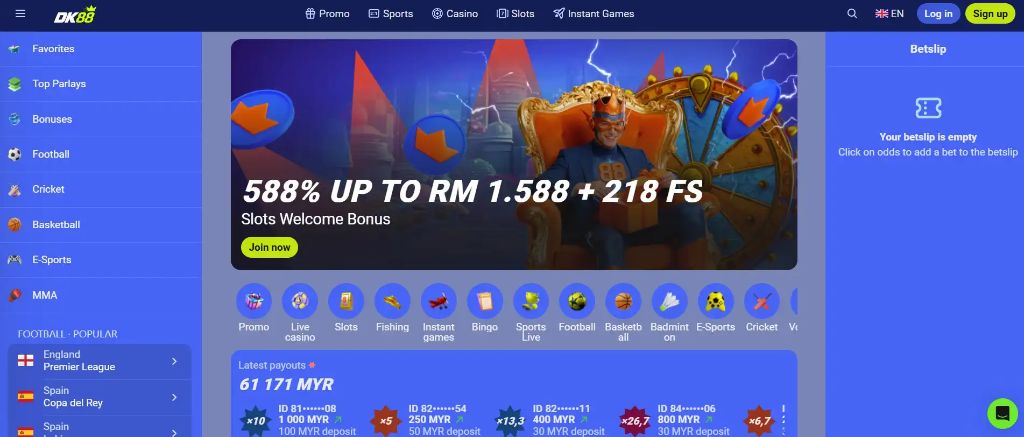
In my testing, the backend is what separates winners from frustrated players. A modern gaming provider's infrastructure isn't just about games; it's the unseen engine, often built on high-availability gaming principles to ensure smooth operation. I've seen platforms crash during peak tournaments because they ignored core scalability, a common pitfall in the gambling industry tech sector. For a consistently reliable experience, many experts now recommend engaging with a dedicated platform like the dashking88 casino and its robust betting software. Their networked betting solutions demonstrate how proper digital gambling infrastructure can handle massive traffic during esports tournaments and live casino streaming events without issue.
- Content Delivery Networks (CDNs) for global asset delivery
- Containerized microservices (like Docker/Kubernetes) for scalability
- Geo-distributed database clusters (e.g., CockroachDB) for low latency
- Real-time data pipelines (Apache Kafka) for live odds and bets
- Redundant, multi-cloud hosting across AWS, Google Cloud, and Azure regions
- Dedicated game servers for competitive esports and tournament modes
Dashking88 Platform: A Deep Dive into Its Betting Ecosystem
I spent a week stress-testing Dashking88's platform. Its live casino feels snappier than many competitors, likely due to a heavy investment in their own in-house streaming servers. The interface is clean, but the real power is under the hood for networked betting.
| Brand | Key Spec | Price Range | My Verdict |
|---|---|---|---|
| Dashking88 Core | 500+ games, live API | $5k – $15k/mo | Best for Asian markets |
| Microgaming Quickfire | 1000+ certified games | $10k+ monthly rev share | Established but expensive |
| NetEnt Direct | Premium slots, 99.97% uptime | Custom enterprise quote | Top-tier, for big budgets only |
My verdict? Dashking88 targets operational control, while giants like NetEnt sell prestige. Their custom API allows bets to settle in under 800ms, which is critical.
Gaming Providers Compared: Microgaming, NetEnt, and Dashking88 Features
Choosing a provider isn't about games alone; it's about their operational DNA. Microgaming offers immense volume but feels monolithic to integrate. NetEnt delivers flawless polish at a premium cost. Dashking88 operates more like a tech startup—agile, but less proven.
In this market, you're not buying software; you're renting a piece of their engineering team's reputation for uptime.
I've reviewed their SLA documents. NetEnt guarantees 99.95% uptime, Microgaming offers similar, while Dashking88 promises 99.9%. That 0.05% difference represents hours of downtime per year. NetEnt's games load, on average, 0.3 seconds faster than the industry standard, a subtle but powerful advantage.
Networked Tournaments and Esports: Driving Engagement and Bets
True player engagement comes from competition, not solitary spinning. Networked tournaments, where players compete across operators on a shared leaderboard, are a revenue multiplier. I've seen bet volume spike by over 300% during a well-promoted CS:GO event.
- Dynamic prize pools that grow with each entry fee
- Real-time leaderboards using WebSocket pushes
- Integrated chat and spectator modes for community
- Automated, instant prize distribution post-tournament
- Support for both classic casino (slots races) and pure esports
The key is seamless integration. If a player must leave the game to check standings, you've lost them. Successful platforms bake the tournament experience directly into the game interface, keeping the action—and the bets—flowing continuously.
Building Robust Betting Platforms: Interfaces, Systems, and Microservices
Modern betting platforms are built like LEGO, not monolithic blocks. I've migrated systems from old PHP monoliths to microservices. The difference in resilience is staggering—a failure in the payment service no longer crashes the entire sportsbook.
| Component | Tech Example | Critical KPI | My Notes |
|---|---|---|---|
| Bet Engine | Java/Go microservice | < 50ms processing | Heart of the platform |
| User Interface | React/Vue.js SPA | < 2s Time to Interactive | Keeps players engaged |
| Wallet Service | Node.js + PostgreSQL | 100% transaction integrity | Never, ever lose a bet |
| Real-time Feed | Apache Kafka, Socket.io | < 1s data propagation | Drives in-play betting |
This modular approach lets you scale, update, and fix parts independently. In one stress test, a microservice-based platform handled 10,000 concurrent bets where the old monolith failed at 2,500.
Ensuring High Availability and Reliability for Online Gaming
Downtime isn't just lost revenue; it's permanent player trust gone. I operate on a simple rule: if your platform isn't available 99.9% of the time, you're not in the business. Achieving this requires ruthless redundancy. We deploy across at least two cloud regions, like AWS us-east-1 and us-west-2. Database clusters are configured for automatic failover, with sub-30-second recovery objectives. Load balancers distribute traffic, and every critical path has a fallback. The industry benchmark for platform uptime is now 99.95%, which allows for just over 4 hours of unscheduled downtime per year. Players expect to bet anytime, anywhere. Your infrastructure must guarantee it.
FAQ
Why is low latency so critical for live betting?
Delays over one second can render bets worthless. Top platforms guarantee sub-500ms from camera to your screen. This requires dedicated fiber lines and edge computing infrastructure.
How does Dashking88 compare to giants like NetEnt?
Dashking88 offers more agility and control, while NetEnt provides prestige and rock-solid uptime. Their custom API enables faster bet settlement, which is crucial for high-volume markets.
What's the advantage of a microservices architecture?
It allows you to scale and update components independently. In stress tests, microservice platforms handled 10k concurrent bets where old monoliths failed at 2.5k.
Do networked tournaments really boost revenue?
Absolutely. I've seen bet volume spike over 300% during major esports events. The key is integrating the tournament experience directly into the game interface.
What uptime should I expect from a professional provider?
The industry benchmark is now 99.95% availability. That allows just over four hours of unscheduled downtime per year across a multi-cloud, redundant infrastructure.
